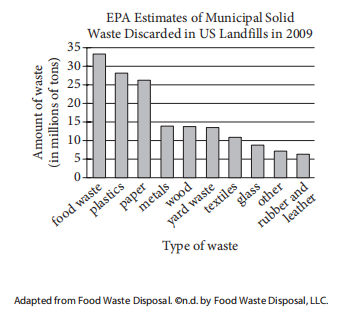
Compost: Don’t Waste This WasteOver the past generation, people in many parts of theUnited States have become accustomed to dividing theirhousehold waste products into different categories forrecycling. (1 )Regardless, paper may go in one container,glass and aluminum in another, regular garbage in athird. Recently, some US cities have added a newcategory: compost, organic matter such as food scrapsand yard debris. Like paper or glass recycling,composting demands a certain amount of effort from thepublic in order to be successful. But the inconveniencesof composting are far outweighed by its benefits.Most people think of banana peels, eggshells, anddead leaves as “waste,” but compost is actually a valuableresource with multiple practical uses. When utilized as agarden fertilizer, compost provides nutrients to soil andimproves plant growth while deterring or killing pestsand preventing some plant diseases. It also enhances soiltexture, encouraging healthy roots and minimizing or(2 )annihilating the need for chemical fertilizers. Betterthan soil at holding moisture, compost minimizes waterwaste and storm runoff,( 3 )it increases savings onwatering costs, and helps reduce erosion onembankments near bodies of water. In large(4) quantities, which one would expect to see when it iscollected for an entire municipality), compost can beconverted into a natural gas that can be used as fuel fortransportation or heating and cooling systems.In spite of all compost’s potential uses, however,most of this so-called waste is wasted. According to theEnvironmental Protection Agency (EPA), over(5) 13 million tons of metal ended up in US landfills in2009, along with over 13 million tons of yard debris.Remarkably, (6) less glass was discarded in landfills inthat year than any other substance, including plastics orpaper. Even (7 )worse, then the squandering of thisuseful resource is the fact that compost in landfills cannotbreak down due to the lack of necessary air and moisture.As a result, organic material that is sent to landfills(8 )contribute to the release of methane, a very(9) potent greenhouse gas
(10) While composting can sometimes lead toaccidental pollution through the release of methane gas,cities such as San Francisco and Seattle have institutedmandatory composting laws requiring individuals andbusinesses to use separate bins for compostable waste.This strict approach may not work everywhere. However,given the clear benefits of composting and theenvironmental costs of not composting, all municipalitiesshould encourage their residents either to create theirown compost piles for use in backyard gardens (11) or todispose of compostable materials in bins for collection.
